
There is a unique magic in travel films. They are more than just entertainment; they are windows to the world, offering a sensory feast of distant cultures, breathtaking landscapes, and the profound human experience of exploration. For many, the seed of a future journey is first planted not by a brochure or a guide book, but by a powerful, moving image flickering on a screen. Travel movies serve as potent catalysts, stoking the fires of wanderlust and providing the essential dose of cinematic escapism we sometimes need to break free from the mundane.
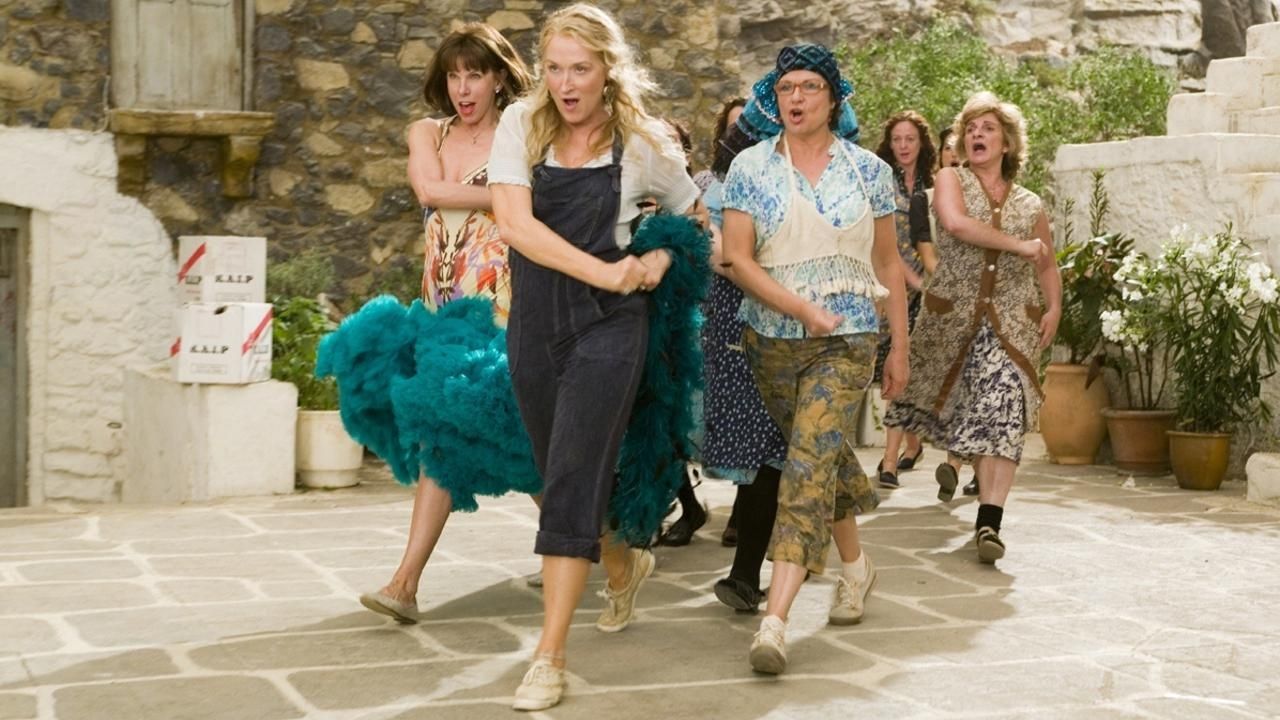
Whether you’re planning an epic backpacking trip, dreaming of a luxury escape, or simply craving a vicarious adventure from the comfort of your couch, travel films have an awesome power to inform, inspire, and fundamentally change the way we view the world—and our place within it.
The Allure of the Open Road: Journeys of Transformation
The best travel films often frame the physical journey within a deeper, psychological one. The act of moving from one place to another becomes a metaphor for personal growth, self-discovery, and transformation. These movies prove that travel is rarely just about the destination; it’s about the person you become along the way.
Into the Wild (2007)
This film, based on the true story of Christopher McCandless, explores the radical pursuit of freedom and a rejection of societal norms through an epic journey across North America to the Alaskan wilderness. While the ending is tragic, the film powerfully captures the romantic notion of shedding modern life for raw, untamed nature. It is a cautionary yet inspiring tale about the search for authenticity and the profound beauty found in solitude and the wild.
The Secret Life of Walter Mitty (2013)
More fantastical and whimsical, this movie follows a daydreaming negative assets manager who embarks on a real-life, global adventure across Greenland, Iceland, and the Himalayas in search of a missing photographic negative. The film is a vibrant visual plea to stop dreaming and start doing. It beautifully showcases surreal, stunning landscapes and serves as a reminder that extraordinary experiences often begin by taking an unexpected leap of faith.
Culinary and Cultural Deep Dives: Tasting the World
Some travel movies immerse us not just in landscapes, but in the specific textures, flavors, and human interactions that define a culture. These films turn travel into a sensory experience, highlighting the universal language of food and connection.
Eat Pray Love (2010)
Based on the memoir by Elizabeth Gilbert, this movie became a global phenomenon for its honest portrayal of healing through travel. The segments set in Italy and Bali are particularly evocative. The Rome section is a passionate celebration of simple pleasures and food (Eat), while the spiritual journey in Bali (Love) captures the beauty of cultural immersion and finding connection in unexpected places. It is the ultimate cinematic ode to the ‘reset’ button provided by travel.
Under the Tuscan Sun (2003)
This film romanticizes the idea of dropping everything, buying a dilapidated villa, and rebuilding a life amidst the rolling hills of Tuscany. It is pure escapism, showcasing the sun-drenched beauty, warm community spirit, and mouth-watering cuisine of the Italian countryside. It inspires viewers to embrace spontaneity and to seek out places that feel like home, even if they are thousands of miles away.
The Grand, Sweeping Epic: Historical and Geographical Scale
Some movies use travel to anchor a grand narrative, leveraging the world’s most magnificent backdrops to enhance their dramatic scope. These films often make viewers feel small yet connected to a vast history.
Lawrence of Arabia (1962)
Considered a cinematic masterpiece, this film uses the sprawling, desolate beauty of the Arabian desert as a character itself. Its monumental scale captures the sheer, terrifying majesty of the landscape. It’s a powerful reminder of how travel—particularly in harsh environments—can reveal incredible human strength and the immensity of the natural world. Watching this movie is to feel the heat, the isolation, and the promise of the horizon.
Seven Years in Tibet (1997)
Following Austrian mountaineer Heinrich Harrer’s unexpected journey and subsequent stay in Tibet during the 1940s, this film is a visual tribute to the spiritual grandeur of the Tibetan plateau and the unique culture of Lhasa before its annexation. It combines breathtaking Himalayan scenery with a profound narrative about cultural understanding and historical context. It evokes a deep desire to visit remote, culturally isolated places before they inevitably change.
Practical Inspiration: The Road Less Traveled
Beyond the blockbuster narratives, travel movies also inspire us to consider the logistics, the challenges, and the sheer joy of independent, budget-friendly travel. They demystify the process and make global exploration feel achievable.
The sense of community and connection forged on a train, the simplicity of living out of a backpack, and the feeling of complete self-reliance are all themes that films often explore, empowering viewers who might otherwise be hesitant to step out of their comfort zone. They show us that adventure doesn’t require a five-star hotel; it requires curiosity and courage.
Conclusion: From Screen to Suitcase
Travel movies are more than just beautiful imagery; they are fundamental components of our shared wanderlust. They validate our desire for escape, challenge our perceptions, and provide the initial push needed to book that ticket. The visual impact of a stunning landscape or the emotional resonance of a traveler’s transformation can be the most compelling reason to trade your remote control for a passport.
The next time you’re searching for inspiration for your next adventure, skip the travel brochures and pick a travel movie. Let the awesome power of cinema transport you, and inevitably, motivate you to create your own unforgettable story.