For two decades, Online Travel Agencies (OTAs) like Priceline (part of Booking Holdings). And Orbitz (part of Expedia Group) have been the dominant digital storefronts for booking air travel. They offered unparalleled price comparison and convenience, becoming the crucial middleman between the consumer and the airline.
However, the power dynamics are shifting. Airlines, tired of paying hefty commissions, are executing an aggressive strategy. To push passengers to book directly through their own websites and apps. This direct-booking push represents an existential threat to the OTAs’ air segment. Leading to a palpable sense of wariness—and a fierce, ongoing battle for control over the customer.
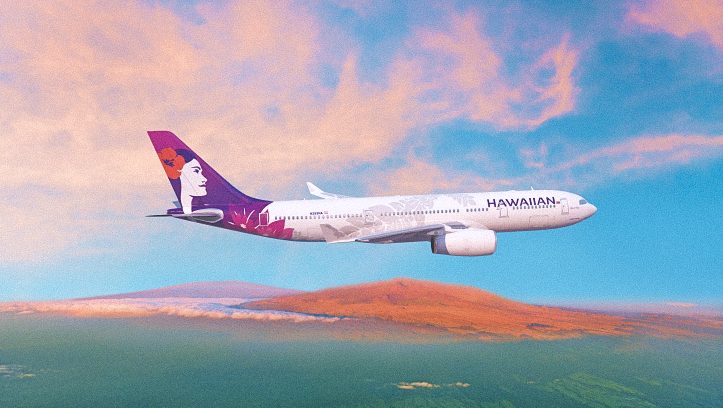
The Airline’s End Goal: Controlling the Customer Relationship
For legacy carriers and low-cost airlines alike. The motivation to bypass OTAs is rooted in two critical areas: Profitability and Data Ownership.
1. Maximizing Ancillary Revenue
An airline’s profitability increasingly depends on ancillary revenue—the income generated from services beyond. The basic ticket price, such as baggage fees, seat selection, in-flight WiFi, and priority boarding.
When a customer books through an OTA like Priceline, the airline often loses the immediate opportunity to upsell these high-margin extras. The airline’s booking environment is specifically designed to guide the customer through a step-by-step process of adding these fees.
- The Upsell Funnel: By driving traffic directly, the airline controls the entire shopping funnel. Ensuring they capture every possible dollar from a traveler looking to turn a basic economy ticket into a more comfortable experience. OTAs dilute this process, sometimes obscuring the full range of ancillary options or making them difficult to purchase.
2. The Power of Personalization and Data
In the digital age, data is gold. When a booking is made through a third party, the airline receives a transaction. But the OTA retains the deeper customer relationship and the rich data profile—details about search patterns, previous hotel bookings, and travel preferences.
- Loyalty Loss: Direct booking ensures the airline owns the customer journey from search to landing. This allows them to foster direct loyalty, recognize elite status benefits (which often are not recognize on OTA bookings). And send highly personalized promotions for future travel, effectively bypassing the OTA entirely.
- The NDC Revolution: The industry is being revolutionized by the New Distribution Capability (NDC) standard, an initiative championed by airlines (via IATA). NDC allows airlines to deliver rich, dynamic, and personalized content. Including bundled services and unique fares—directly to partners, bypassing the outdated, standardized data feeds used by older OTA systems. While OTAs are scrambling to adapt. NDC gives the airline unprecedented control over the product presentation, effectively leveling the playing field with the OTAs’ user interfaces.
The OTA Response: Aggregation and “The Billboard Effect”
Priceline and Orbitz are far from passive victims. Their strategy hinges on maintaining their core value proposition: Superior Aggregation and User Experience.
1. The Value of Comparison Shopping
The OTAs’ primary defense is simple: a traveler is rarely loyal to a single airline. Priceline and Orbitz provide instant, side-by-side comparison across all major carriers, saving the customer the time and frustration of visiting a dozen different airline sites.
- Transparency Tool: Even if an airline’s direct price is identical, many travelers use the OTA platform as a “transparency tool” to shop around before making a final decision, a phenomenon often called the “Billboard Effect” (where OTAs give hotels/airlines exposure that drives subsequent direct bookings).
2. Bundling and Dynamic Packaging
The major OTAs have diversified well beyond air travel. They offer powerful booking engines for flights, hotels, rental cars, and activities—often bundling them into a single, discounted package that an airline cannot match. For a complex itinerary, the ease of managing all components in one place remains a huge advantage over booking each segment separately.
Conclusion: The Future is Fragmented
The battle between the OTAs (Priceline, Orbitz) and the Airlines is a fascinating fight over the consumer’s wallet and their data. While airlines are leveraging NDC and aggressive ancillary sales to push direct bookings, the OTAs rely on the inherent traveler preference for convenience and price comparison.
For the consumer, this war is beneficial: it forces airlines to improve their direct digital experience while simultaneously compelling OTAs to remain competitive on pricing and bundling. The traveler’s choice now boils down to a clear dilemma: Loyalty and perks (direct booking) versus Convenience and comparison (OTA booking). As airlines refine their direct channels, the OTAs must continually innovate their technology or risk seeing their lucrative air distribution revenue slowly erode.