
The landscape of global travel is undergoing a profound transformation. As we move further into 2026, the era of checking off iconic monuments on a rushed bucket list is steadily giving way to a more intentional, transformative approach. Modern travelers are no longer just seeking destinations; they are seeking depth, connection, and a sense of purpose. Whether it is the pursuit of rugged adventure in untamed wilderness or the desire for slow, sustainable luxury in culturally rich hubs, the top travel destinations of 2026 are those that offer both beauty and substance.
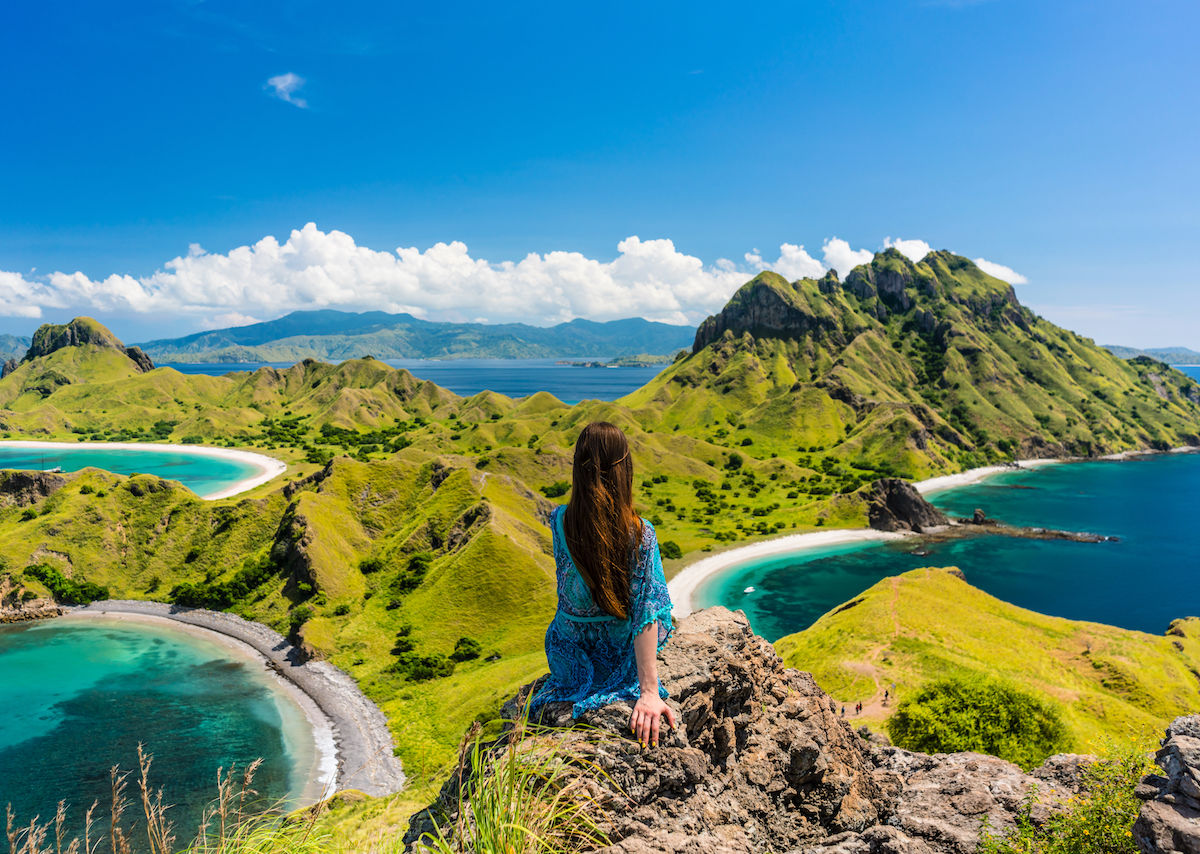
The Shift Toward Meaningful Exploration
If there is one defining theme for travel in 2026, it is the prioritization of quality over quantity. The conscious traveler is increasingly aware of their environmental and social footprint. There is a palpable shift away from “tourist traps” toward experiences that foster genuine emotional resonance. Travelers are prioritizing destinations that respect local heritage, support indigenous economies, and offer authentic immersion.
This evolution is not merely about where one goes, but how one arrives. Slow travel—embracing longer stays, utilizing overland transport like scenic trains, and engaging deeply with local customs—has become the gold standard. It is a philosophy that values the journey itself, allowing the traveler to recalibrate their senses and form a lasting bond with the places they visit.
Top Destinations for the Discerning Traveler
For 2026, the world offers a diverse array of experiences, from the high-altitude serenity of the Himalayas to the art-infused island landscapes of Japan.
1. Naoshima, Japan: The Intersection of Art and Nature
Naoshima has transcended its reputation as a hidden gem to become a mandatory pilgrimage for design enthusiasts. In 2026, it remains the ultimate destination for those seeking tranquility. Unlike traditional cities, Naoshima does not rely on massive infrastructure; instead, it offers an environment where art is not confined to galleries but is woven into the very landscape. The island encourages a contemplative pace, perfect for those wanting to disconnect from the digital noise and reconnect with creative inspiration.
2. The Dolomites, Italy: Rugged Elegance
As the host of high-profile winter events, the Dolomites are seeing a surge in interest, but the real allure remains in their quiet, majestic stillness. For the adventure seeker, it offers world-class hiking and skiing; for the luxury traveler, it provides some of the most sophisticated mountain retreats in the world. The region masterfully blends rugged, high-altitude terrain with refined culinary traditions, proving that adventure and comfort are not mutually exclusive.
3. Rwanda: A Model for Regenerative Tourism
Rwanda continues to establish itself as a premier destination for those who want their travel to have a tangible, positive impact. Beyond the awe-inspiring experience of gorilla trekking in Volcanoes National Park, the country is gaining attention for its innovative, community-led tourism initiatives. The fusion of luxury accommodation with deep conservation efforts makes Rwanda an essential stop for anyone interested in the future of ethical, high-end travel.
4. Iceland: Landscapes of Recalibration
Iceland remains an perennial favorite for good reason. In 2026, the travel focus has shifted toward regional immersion—spending time with local fishers and farmers to understand the nation’s fragile, fascinating balance with nature. Whether it is chasing the Northern Lights in winter or exploring the remote fjords during the midnight sun, Iceland continues to recalibrate the senses of all who visit.
Planning a Sustainable Luxury Experience
Sustainable luxury is the cornerstone of 2026 travel. The modern luxury experience is no longer about ostentatious displays of wealth; it is about privacy, exclusivity, and environmental stewardship. Travelers are choosing to stay in eco-certified lodges that utilize renewable energy, consume locally sourced food, and operate with minimal environmental interference.
Planning such a trip requires a shift in mindset. Instead of cramming five cities into a ten-day itinerary, choose one region and explore it thoroughly. Engage local guides who provide insights that are unavailable in mainstream guidebooks. Seek out accommodations that are built with natural materials and possess a clear commitment to giving back to their local communities. By making these intentional choices, you do not sacrifice comfort; you enhance the depth of your journey.
The Future of Global Movement
As we look toward the remainder of 2026 and beyond, the focus will undoubtedly remain on “purposeful travel.” Technology will continue to help us navigate these destinations more efficiently, but it will never replace the profound impact of standing in front of a vast, unmapped landscape or sharing a meal with a local family in a remote village.
Travel in 2026 is an invitation to be present. It is an opportunity to see the world not as a collection of snapshots, but as a complex, interconnected tapestry that requires our care and respect. Whether you find yourself in the vibrant markets of Marrakech, the serene hills of the Dolomites, or the lush jungles of Rwanda, the goal remains the same: to return home with a broader perspective and a heart that is a little more open.
Conclusion
The top travel destinations for 2026 are as varied as the travelers themselves, but they all share a common thread: they reward curiosity and encourage a slower, more deliberate approach to life. By shifting our focus toward authentic connections and sustainable practices, we transform travel from a simple escape into a meaningful journey. As you plan your next adventure, remember that the most unforgettable experiences are rarely found in the busiest squares, but in the quiet, intentional moments where you feel truly aligned with the world around you.
Would you like me to create a sample, day-by-day luxury itinerary for any of the destinations mentioned, such as the Dolomites or Rwanda?