
Bali remains one of the world’s most alluring tropical destinations, captivating travelers with its volcanic peaks, terraced rice paddies, ancient temples, and vibrant coastal culture. However, navigating the Island of the Gods requires more than just booking a flight and reserving a hotel room. Between distinct regional microclimates, changing traffic patterns, and the sheer diversity of experiences available, executing a seamless trip demands intentional planning.
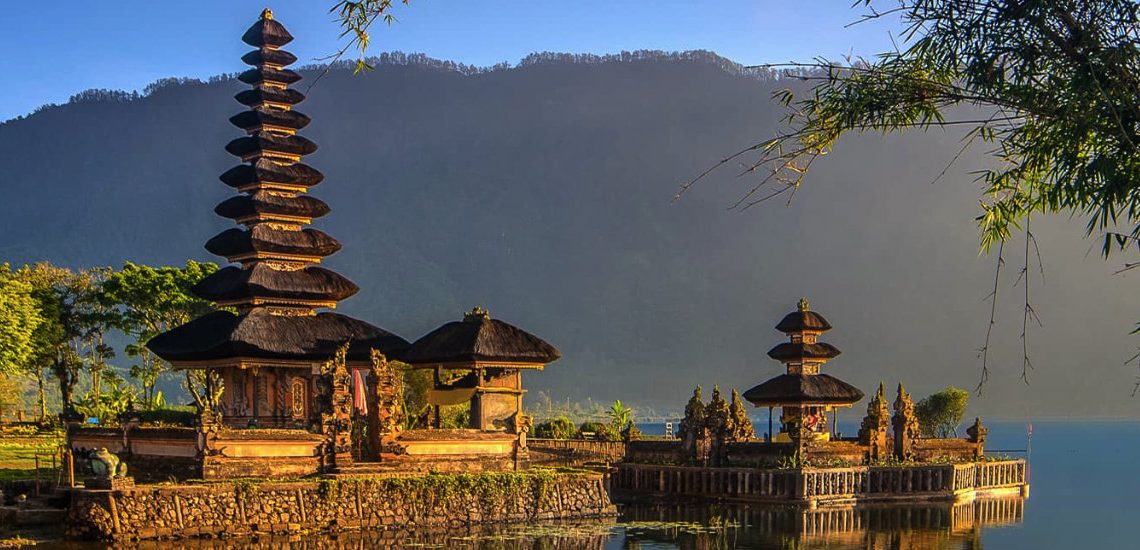
Whether you are seeking spiritual renewal in the central highlands, catching waves along limestone cliffs, or exploring off-the-beaten-path waterfalls, this comprehensive travel planner will help you craft a balanced, memorable, and stress-free Balinese adventure.
Understanding Bali’s Distinct Regions
To avoid spending your entire vacation stuck in transit, the most important step in planning a Bali itinerary is understanding the island’s geography. Bali is divided into several distinct regions, each offering a unique lifestyle, landscape, and pace.
- The South Coast (Canggu, Seminyak, Uluwatu, Nusa Dua): Famous for surf breaks, dramatic ocean cliffs, sunset beach clubs, and vibrant dining scenes. Uluwatu offers rugged limestone scenery and luxury resorts, while Canggu and Seminyak feature bustling café culture and nightlife.
- The Cultural Center (Ubud and Surrounding Villages): The spiritual and artistic heart of the island. Ubud is surrounded by lush jungle river valleys, traditional artisan workshops, ancient temples, and world-class wellness retreats.
- The Northern and Central Highlands (Munduk, Kintamani, Bedugul): A cool, mountainous region characterized by volcanic calderas, crater lakes, misty tea plantations, and dramatic waterfalls. Perfect for trekkers, nature lovers, and those seeking quiet solitude.
- The Quiet East (Sidemen, Amed, Candidasa): Ideal for an authentic glimpse of traditional Balinese life. Sidemen features emerald rice valleys framed by Mount Agung, while Amed is renowned for black sand beaches, vibrant coral reefs, and calm scuba diving spots.
When to Visit: Navigating the Seasons
Bali experiences a tropical climate governed by two primary seasons. Aligning your visit with your personal travel priorities ensures the best possible experience.
The Dry Season (May to October)
This is widely considered the optimal period for outdoor exploration, beach days, surfing on the west coast, and mountain trekking. Temperatures are warm, humidity levels are comfortable, and rainfall is minimal. Because this period coincides with peak global holiday seasons, popular attractions and coastal hubs experience higher visitor volumes.
The Green or Wet Season (November to April)
Characterized by brief, heavy tropical downpours—often occurring late in the afternoon or overnight—the wet season transforms the island into a vibrant, emerald paradise. Waterfalls flow at full capacity, agricultural valleys look lush, and crowds diminish significantly. It is an exceptional time for wellness retreats, temple visits, and budget-conscious travelers looking for lower accommodation rates.
A Balanced 10-Day Sample Itinerary
A successful Bali trip balances adventure with structured downtime. This 10-day blueprint minimizes packing and moving while covering the island’s most iconic highlights.
Days 1 to 3: Coastal Energy and Cliffside Views (Uluwatu)
- Day 1: Land at Ngurah Rai International Airport (DPS), check into your coastal stay, and unwind with a quiet sunset dinner over the ocean.
- Day 2: Explore the limestone beaches of Padang Padang or Bingin. In the late afternoon, visit the perched Uluwatu Temple to observe a traditional Kecak and Fire Dance performance at sunset.
- Day 3: Enjoy a morning surf lesson or coastal walk, followed by an afternoon relaxing at one of the area’s iconic oceanfront beach clubs.
Days 4 to 7: Culture, Nature, and Wellness (Ubud)
- Day 4:Transfer inland to Ubud, stopping en route at the sacred Tirta Empul temple for a traditional water purification blessing (Melukat).
- Day 5: Rise early to walk through the UNESCO-recognized Tegallalang Rice Terraces before tour groups arrive. Spend the afternoon visiting local craft markets or exploring the Sacred Monkey Forest Sanctuary.
- Day 6: Dedicate a full day to nature. Trek through the northern waterfalls like Leke Leke or Tibumana, finishing with an evening yoga session or traditional spa treatment in Ubud.
- Day 7: Take an early morning sunrise trek up Mount Batur or embark on an unhurried walking tour through the quiet countryside of the Sidemen Valley.
Days 8 to 10: Island Escapes and Farewell (Nusa Penida or Sanur)
- Day 8: Take a short fast boat from Sanur to Nusa Penida to witness dramatic coastal rock formations like Kelingking Beach and Broken Beach.
- Day 9: Snorkel with manta rays off Penida’s coast or enjoy a calm coastal day in Sanur, bike-riding along the beachfront path.
- Day 10: Savor a final local breakfast, pick up souvenirs in Seminyak, and transfer back to the airport for your flight home.
Essential Travel Logistics and Etiquette
Smooth travel across Bali relies on preparing for local transportation, entry requirements, and cultural norms.
- Transportation Choices: While scooter rentals are popular for short distances, navigating local traffic, narrow side roads, and unpredictable road conditions requires experience. Hiring a private car with a dedicated driver for full-day excursions is often the safest, most efficient, and surprisingly cost-effective option. Ride-hailing apps work well in urban centers, though some traditional villages restrict their pickup zones.
- Temple Etiquette: Sacred sites require respectful dress. Both men and women must wear a sarong and sash covering their knees and shoulders when entering temple grounds. Never step on the daily flower offerings (canang sari) placed on sidewalks and temple entrances.
- Currency and Payments: While major hotels, upscale restaurants, and beach clubs accept credit cards, cash in Indonesian Rupiah (IDR) remains essential for local food stalls (warungs), traditional markets, driver tips, and small temple entry donations.
Conclusion
A well-crafted Bali itinerary is not about squeezing every temple, waterfall, and beach into a frantic schedule. The real charm of the island lies in its rhythms—the scent of incense burning in morning doorway offerings, the sound of gamelan music drifting through jungle valleys, and the warmth of Balinese hospitality. By choosing a few regional base camps, allowing space for spontaneous detours, and respecting local traditions, your trip to Bali will evolve from a standard tropical vacation into a deeply renewing journey.